
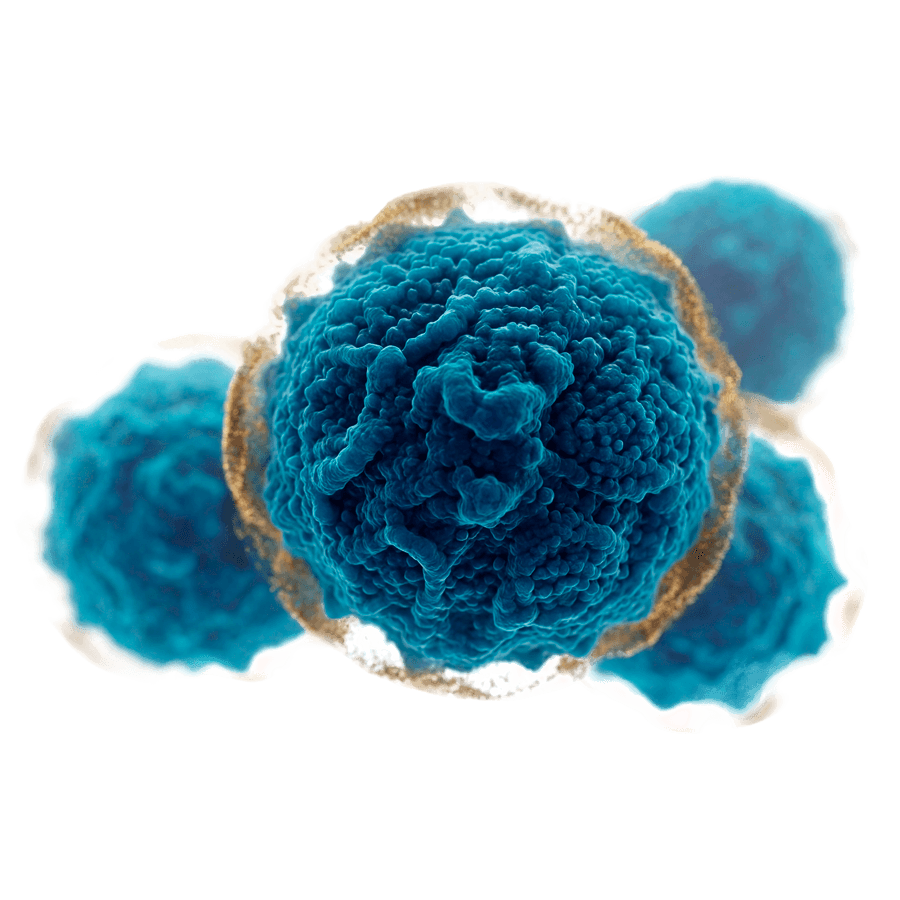
MUSE Cells
Multilineage-differentiating Stress Enduring (MUSE) cells are a naturally occurring subpopulation of mesenchymal stem cells with unique biological characteristics. Lyfe Labs uses MUSE-enriched cell cultures as a source for exosome-based cosmetic products.
MUSE (Multilineage-differentiating Stress Enduring) cells are a distinct subpopulation of mesenchymal stem cells found in various tissues including umbilical cord tissue. They are characterized by specific surface markers and their notable tolerance to cellular stress conditions.
These cells possess unique biological properties that have been studied extensively in research settings. Lyfe Labs utilizes MUSE-enriched mesenchymal stem cell cultures as the source material for producing exosome-based topical cosmetic formulations.
Important: Lyfe Labs does not sell MUSE cells themselves. We offer MUSE Cell-derived Exosomes — acellular products intended for topical cosmetic use only.
MUSE Cell Characteristics
Understanding the source material helps explain the quality of MUSE-derived exosomes:
Stress Tolerance
MUSE cells demonstrate enhanced tolerance to cellular stress conditions including serum deprivation and oxidative stress, characteristics that have made them a subject of scientific research interest.
Multilineage Differentiation Capacity
Under appropriate laboratory conditions, MUSE cells can differentiate into cell types representing multiple lineages, a property studied in research contexts.
Specialized Exosome Profile
Exosomes secreted by MUSE-enriched cell cultures contain a unique profile of bioactive molecules that reflect the characteristics of their parent cells. These exosomes are isolated and incorporated into Lyfe Labs topical cosmetic formulations.
From MUSE Cells to Cosmetic Exosomes
Our Process:
Cell Sourcing & Enrichment
Umbilical cord mesenchymal stem cells are isolated and cultured. MUSE cell populations are enriched through specific culture conditions.
Conditioned Media Production
MUSE-enriched cultures secrete exosomes and bioactive molecules into the surrounding media during normal cellular processes.
Exosome Harvesting
The conditioned media containing exosomes is collected. The cells remain in culture for continued production.
Processing & Formulation
Exosomes are isolated, sterilized, lyophilized, and formulated into topical cosmetic products.
Result: Acellular exosome products for topical cosmetic use — no cells included.
Quality & Sourcing

Quality Control & Product Testing
Each Lyfe Labs MUSE Exosome lot undergoes rigorous pre-release testing, including: • Sterile filtration and terminal sterilization • USP sterility and endotoxin testing (LAL) • Mycoplasma screening • Nanoparticle Tracking Analysis (NTA) for particle characterization • Proteomic characterization These tests confirm safety, purity, and consistency for topical cosmetic use.
Product Source & Processing
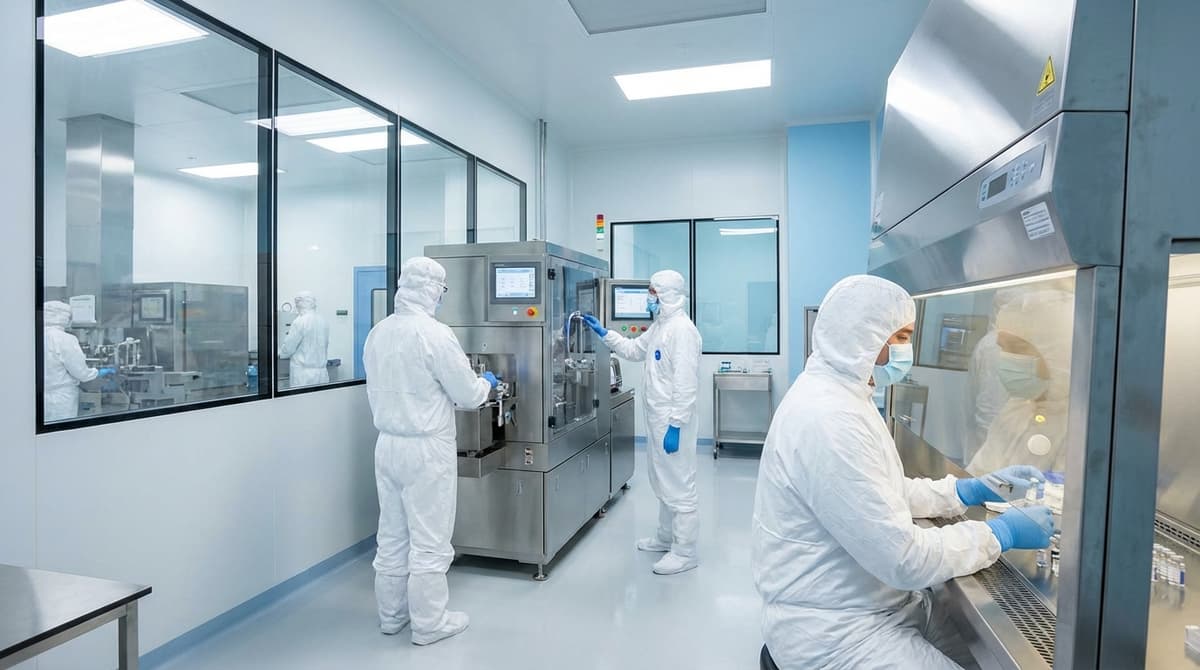
Lyfe Labs MUSE Exosomes are derived from umbilical cord mesenchymal stem cells sourced from carefully screened, healthy cesarean donors. All donors undergo comprehensive communicable disease testing in accordance with FDA guidelines and applicable regulatory standards. Manufacturing is performed in a cGMP-certified facility under ISO-classified cleanroom conditions with aseptic processing to ensure product integrity and quality.
Elevate Your Practice with Lyfe Labs
Join aesthetic clinics worldwide in offering premium exosome-based cosmetic products to your patients.